Heck, I used to spend $100 to $150 per week on just my teenaged son and me at the grocery store. And that's not counting what I had to buy on the road and such. You're doing pretty well to be holding down the costs for an entire family below $200 per week. Pat yourself on the back, Grrrls! It's not you, it's the freaking cost of living.
Once you've done all that you can with coupons, dollar stores, making from scratch, and so forth, the only other ways to economize are to simplify your life down to the bare bones and cut out any and all luxuries.
Example: I buy almost no canned pastas. Only for emergency food during hurricane season. I cook vast amounts of pasta and store it. You can do this with the sturdier pastas like rigatoni, elbows, penne, and so forth. You can make kid-sized portions of pasta and sauce ahead of time in dollar-store containers, and save a huge amount on those horribly expensive canned pastas and other instant foods. Mostly you are paying for the packaging, and to keep the kids bribed and happy. Food companies know this. They exploit us all massively.
You can economize by cutting out most of the meat in your diet. Don't hit me for saying this. Most of the world's people live on grains, root vegetables, and such. Potatoes, cabbage, carrots, and so forth are very filling and very nutritious. If you don't use a whole lot of fat in your cooking, you are not going to get fat from eating potatoes. If you cook up a stew or a casserole with minimal amounts of meat like ground turkey, sausage, meatballs, etc., and rely on the stew veggies for the bulk of the food, you are saving a bundle and eating healthier than if you make a big slab of meat the focus of the meal.
You may be sparing yourself colon cancer as well, because you are automatically lowering your fat and cholesterol intake when you cut the amount of meat in your diet. Cheese goes very well on such concoctions -- but go easy on the cheese, because it too can contain high amounts of cholesterol. And some cheeses are more expensive perpound than hamburger, or even more than some grades of steak! So buyer beware.
Use chicken or turkey more than beef, since it generally costs less than beef does. It also has less cholesterol. Use cheaper cuts of meat, tenderizing and seasoning well so that the taste and texture do not suffer.
Change your family's snacking habits. A bunch of fruit, if it doesn't go to waste, can be cheaper than a bag of chips. A bag of oranges, for instance, can be less than a bag of chips; plus, oranges are low in sodium, have no fat or cholesterol, and are rich in vitamins, which chips are certainly not. Bananas make terrific snacks and are easier to eat than oranges. Bananas will fill you up. Jello is great stuff! You can use up aging bananas in a pan of jello. You can bring a smile to virtually any child's face with a dish of the stuff. And you can make it in child-sized containers for self-serve snacks or lunches or whatever.
You can do that with yogurt, too. Vanilla yogurt covers a multitude of sins, like aging bananas, aging strawberries, that can of pinapple that's been lurking in the corner of the pantry for a year. A bag of frozen fruit is usually cheap, it thaws really quickly, and kids will enjoy stirring a couple of tablespoons of it into a cup of vanilla yogurt. They will also probably enjoy the conspiratorial feel of making their own secret yogurt concoction. Kids love to learn about how things are made, and they get a lot of self-esteem from making stuff.
Use peanut butter to substitute for the high-fat, high-salt, high-cost lunch meats that we all crave once in a while. Peanut butter is rich in vitamin E, which is good for the nervous system and other body parts. It's high in protein and has no cholesterol. It can go on bread, crackers, fruit, celery, or just a spoon. You can use it on noodles if you make a simple Thai-style peanut sauce. And it doesn't go bad as quickly as cold cuts always do. No waste, no loss.
Teach yourself and your children to drink more water and less soda, sugary juices, and other junk. Water is what your body needs, anyway. It actually helps you lose weight (who doesn'tneed to do that?) and gives you energy, because it helps the kidneys to dotheir work more effectively, and because water is actually a component of the Krebs cycle (forgive my high school chemistry, it's a bit rusty). If you don't have sufficient water inyour system, you will have trouble utilizing the food you eat. It has no calories, no cholesterol, no sugar. If it's filtered, it has no nasty stuff in it either.
If you absolutely HAVE to have flavored drinks, a bottle of lemon juice will make several quarts of lemonade, along with a cup of sugar per quart. OK, that sounds like a lot, but consider how much sugar Coke or Pepsi have per ounce. Plus the lemon juice is good for cooking as well. One of those staples you need to have around anyway. Brewing up a big 2-quart pitcher of iced tea is cheaper and better than purchasing that watered-down crap in the can, trust me. You set it all up and then leave it alone to brew. Easier than opening up a can of soup. If you can boil water, you can make tea. The lemon is good in tea, too. Very refreshing. Full of antioxidants, with or without the lemon. My tea of choice is green tea with a few slices of fresh ginger brewed right into the pot.
OK, that's my 2 cents' worth. I can't remember how much we spend on food every week -- my new roommate isn't anywhere near as frugal as I am -- but hubby and I used to make do quite nicely on about $50 - $70 every other week. And that was with me sending him to work with some kind of lunch almost all the time.
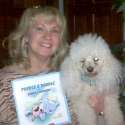
If anyone here would like a copy of my book -- it's only out as an eBook right now -- because they really need to learn how to economize, I would be happy to e-mail it to you. All I would ask in return is to go to the publisher's website and give me a little feedback on what you liked or found useful about the book. Just e-mail me privately and I'll send you the attachment.
Bright Blessings,
Lil


























 Previous Topic
 Index
Index


